
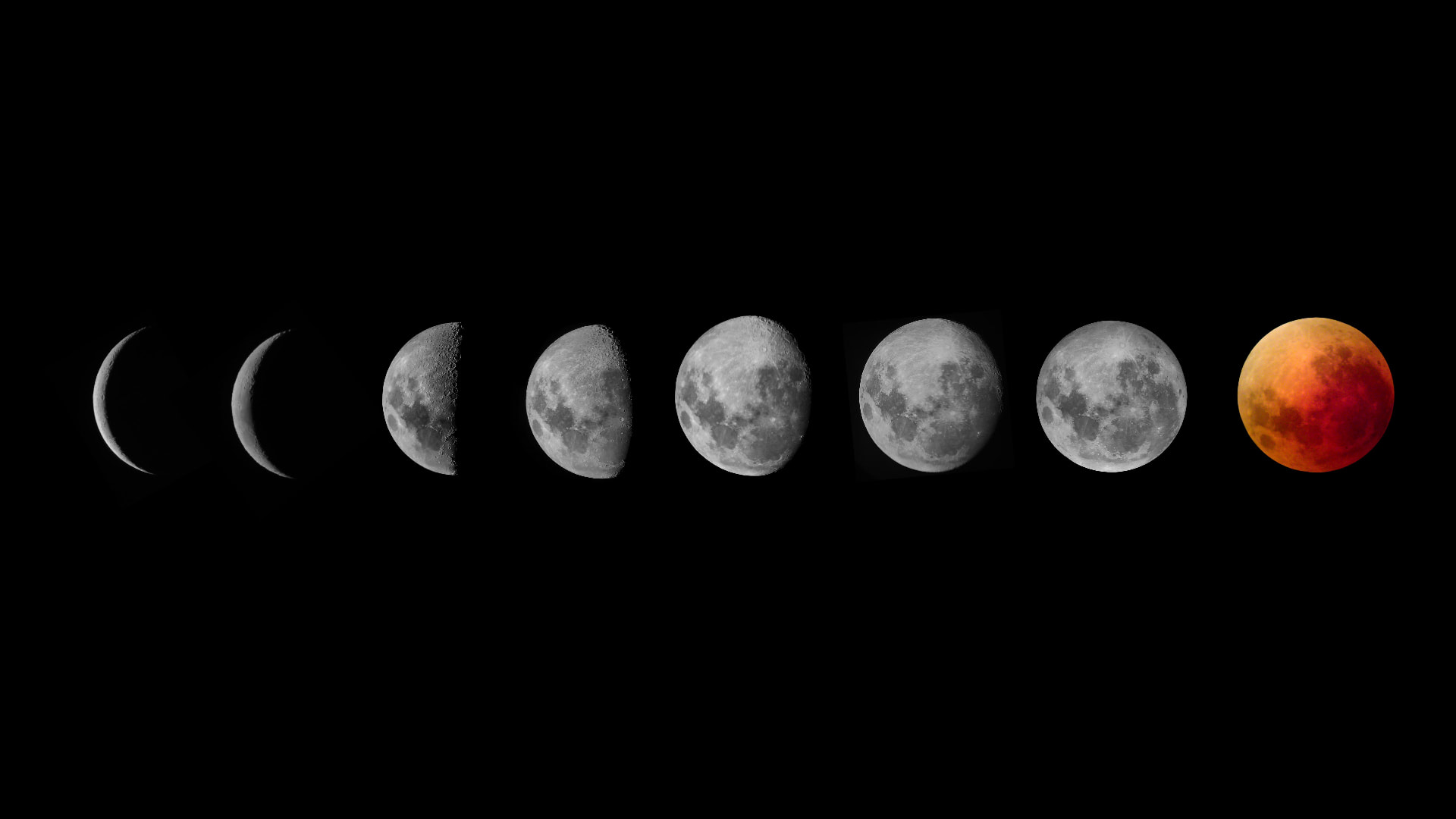
A month carries more than one cycle.
Most of us were never taught to read it. We discovered it by living badly timed days: the week we said yes to everything and regretted it, the afternoon when one harmless sentence suddenly had teeth, the morning when the world felt open and generous, followed ten days later by a wish to pull the curtains and hear nobody ask anything of us.
For many women, the menstrual cycle runs underneath this changing weather. Yet most of us learned more about concealing blood than understanding rhythm. We were shown pads, tampons, sometimes painkillers, and then expected to get on with it. Very few girls were told to watch what happens over the course of a month, to notice when energy rises, when patience frays, when sleep changes, when appetite sharpens, when the body wants company and when it would rather close the door.
That kind of attention is not about becoming obedient to a chart. Bodies are messier than charts. Cycles differ in length, intensity and pain; contraception, PCOS, endometriosis, pregnancy, perimenopause, grief, illness and a hard year can redraw the whole landscape. Some women do not bleed at all. And if pain or mood changes become severe, frightening or disruptive, they do not become more meaningful because we call them cyclical. They need proper care.
Still, there is something revealing about watching a pattern long enough for it to stop looking accidental.
Day One begins with bleeding. For many women, energy lowers and the room inside seems to become less crowded. What was easy to ignore earlier may suddenly stand there in full view. Grief can come closer. Relief can too. Some women want silence; others notice almost no emotional difference. The point is not to force yourself into a menstrual archetype. It is to notice what your own body keeps doing when no one is grading the answer.
A bleeding body is already busy. Rest where your life allows it. Sometimes that means a bath and an early night. Sometimes it means taking the same train, answering the same emails and making dinner while privately resenting every spoon in the cutlery drawer. Listening to the body does not require a life designed around moonlight and linen sheets.

Then something shifts.
Energy often begins to return after menstruation. Many women notice more movement in themselves, more appetite for people, work, touch, ideas. The mind can feel less crowded. This may be a good time to begin something, ask for something, or have the conversation that felt impossible a week earlier. Research on mood, cognition and desire across the cycle refuses to arrange itself into one elegant answer. The findings pull in different directions, which is a useful reminder that your body is not a headline waiting to be confirmed.
Around ovulation and in the days after it, another turn may come. For some women it is subtle. For others, tolerance thins. Sound gets louder. The little arrangement everyone agreed was "fine" starts looking suspiciously less fine.
We have spent a long time teaching women to distrust themselves when they become harder to please.
Not every premenstrual irritation contains a hidden message, but the things that return are worth noticing. If the same resentment, exhaustion, person, task or boundary starts glowing red at roughly the same point every month, write it down. Then look again later, when the bleed has come and the weather has changed. Anything still standing is worth a second look.
The days before menstruation may bring tiredness, tenderness, hunger, sadness or the urge to retreat from the amount of life pressing against you. This is usually a poor moment to put your entire existence on trial. Hear what comes up without turning every feeling into a verdict. If the low mood becomes heavy, lasts most of the week or frightens you, that is not wisdom to romanticize. It belongs with a professional.
Then the bleeding begins again.
You do not need a beautiful ritual to learn your cycle. Three months, a notebook and a little honesty are enough to begin. Write down the day, your energy, sleep, mood, appetite, desire for company, and the moments when you heard yourself say yes while every other part of you meant no. Do not hunt for a pattern so eagerly that you manufacture one. Let repetition earn your trust.
After a while, the month becomes less mysterious.
You begin to recognize the woman who wants to build and the woman who wants fewer voices in the room. You notice the days when conversation comes easily and the ones when your patience has gone somewhere without leaving a forwarding address. None of these versions needs to be crowned the real one. They belong to the same woman.
There is a particular freedom in knowing your own weather.
Not because you can control it.
Because when the pressure drops, the sky darkens and something in you begins to change, you no longer mistake the storm for the whole climate.
Photos: Astrofotos PB and Katya Kozlenko via Pexels.